191 views
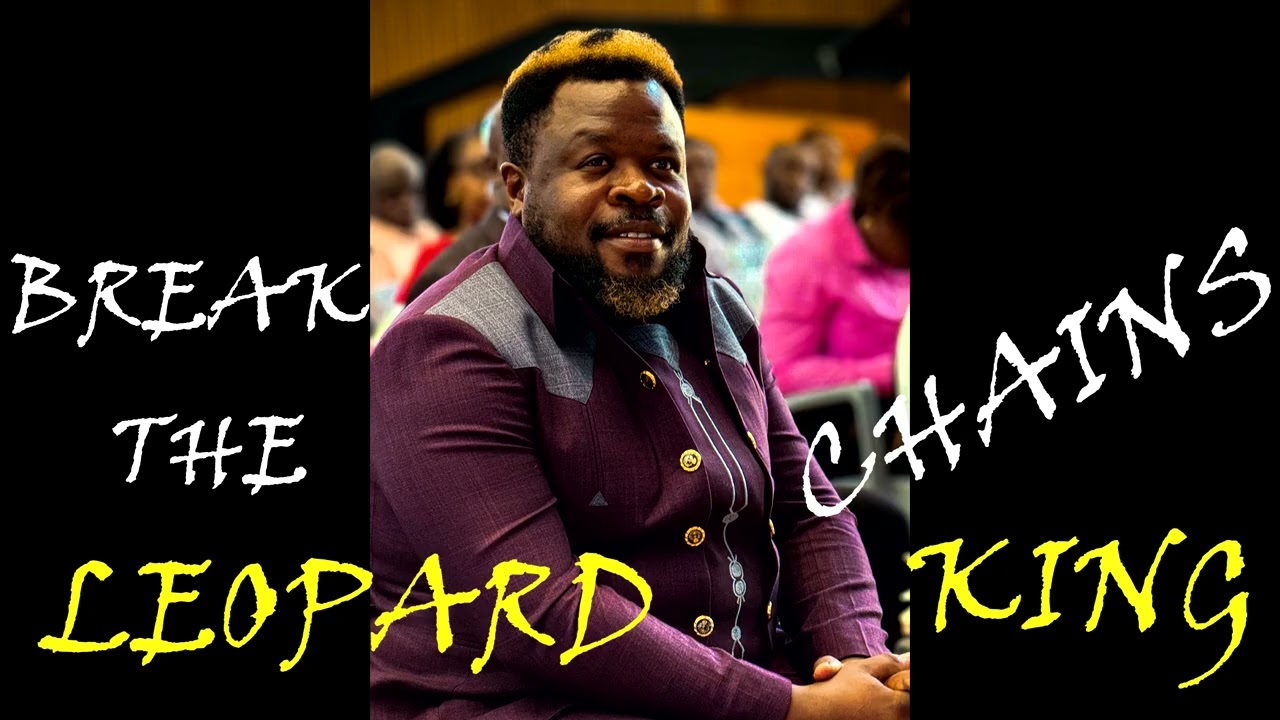
Leopard King - Break the Chains
5 Feb 2026
- Artist
- Leopard King
- Song
- Break the Chains
- Time
- 5:09
- Uploaded
- 5 Feb 2026
Description from YouTubeLEOPARDKING
Song Title: Break the Chains Artist & Composer: Leopard King - Mr. Anderson Ambindi Murunga ( Kenyan musician and clinical psychologist with a Master’s degree in Clinical Psychology from Daystar University and PHD Candidate in the same course and University). This song is intended to be translated many dialects and performed in this particular format. Description: Break the Chains is an inspiring song created and produced by the Kenyan artist and clinical psychologist, Mr. Anderson Ambindi Murunga. The song was composed for adolescents, youth and adults to express their emotions and manage stress, anxiety, or feelings of self-doubt through creative activities like music, poetry, and performance. The lyrics are full of positive messages that encourage students to challenge negative thoughts about themselves and their future. "Break the Chains" is created to specifically to support The Structured Artistic Engagement for emotional wellness among Kenyan secondary schools. Designed as a therapeutic tool, it integrates cognitive-behavioral, psychodynamic, and resilience-oriented principles into an expressive musical format that is both accessible and engaging for adolescents, youth and adults. Its lyrics function as affirmational prompts, enabling students to externalize maladaptive thoughts, challenge negative self-beliefs, and cultivate emotional regulation through artistic expression. Grounded in cognitive theory, the song addresses the rigid negative assumptions that many adolescents hold about themselves, their future, and their social worth. Lines such as “I am enough,” “I can do it,” “I can make it,” and “If I believe it, I can make it happen” act as adaptive counter-statements that directly challenge entrenched cognitive distortions. By singing, chanting, or performing these affirmations, listeners rehearse alternative narratives that strengthen self-efficacy, hope, and persistence, consistent with cognitive-behavioral principles. The lyrics also reflect psychodynamic insight, acknowledging the influence of unconscious conflicts, unresolved early attachment experiences, and past emotional wounds. Phrases like “I will break the chains of childhood pain” and “I will break the glass of listening to my haters, doubters, and past failures” provide symbolic language through which deep-seated emotions can emerge safely. Musical rhythm, melodic repetition, and metaphorical imagery create a container for emotional release, self-reflection, and the integration of previously unarticulated feelings. Following the Egan Skilled Helper Model, the song facilitates all three phases of intervention: Exploration: Musical and lyrical elements allow listeners to express emotions, identify stressors, and confront internalized doubts. Understanding: Lyrics bridge conscious and unconscious experiences, helping listeners reflect on negative thought patterns and underlying emotional themes. Action: Affirmational refrains encourage listeners to adopt resilience-oriented behaviors, develop positive coping strategies, and internalize self-compassionate narratives. The song’s structure integrates spoken-word, chanting, and melodic motifs, creating an interactive format suitable for individual or group performance. Humor, rhythmic play, and call-and-response sequences enhance cognitive flexibility, reduce catastrophic thinking, and foster social connectedness among participants. Core lyrical themes include: Liberation from negative beliefs: “I will break the chains of yesterday—depression, rejection, anger, and anxiety.” Resilience and persistence: “Even when I fail one, two, three, four, five times, I will try again.” Self-acceptance and affirmation: “I am not perfect, but I am enough. I am enough to begin again, to make mistakes and rise again, to accept myself, to acknowledge my dreams, and to love and validate myself.” Empowerment and forward movement: “I can make it. If I see it, I can make it happen. I will be who I am.” By embedding these affirmations into music, poetry, and performance, Break the Chains functions not merely as a song but as a therapeutic tool reinforcing structured artistic engagement. It aligns with the goals of the SATER (Structured Artistic Therapy for Emotional Regulation) model, supporting adolescents in developing emotional regulation, cognitive restructuring, and psychological resilience through culturally grounded, creative practice. Leopard King - 9th